2028 Lexus RC F Final Edition Review, Specs, Dimensions
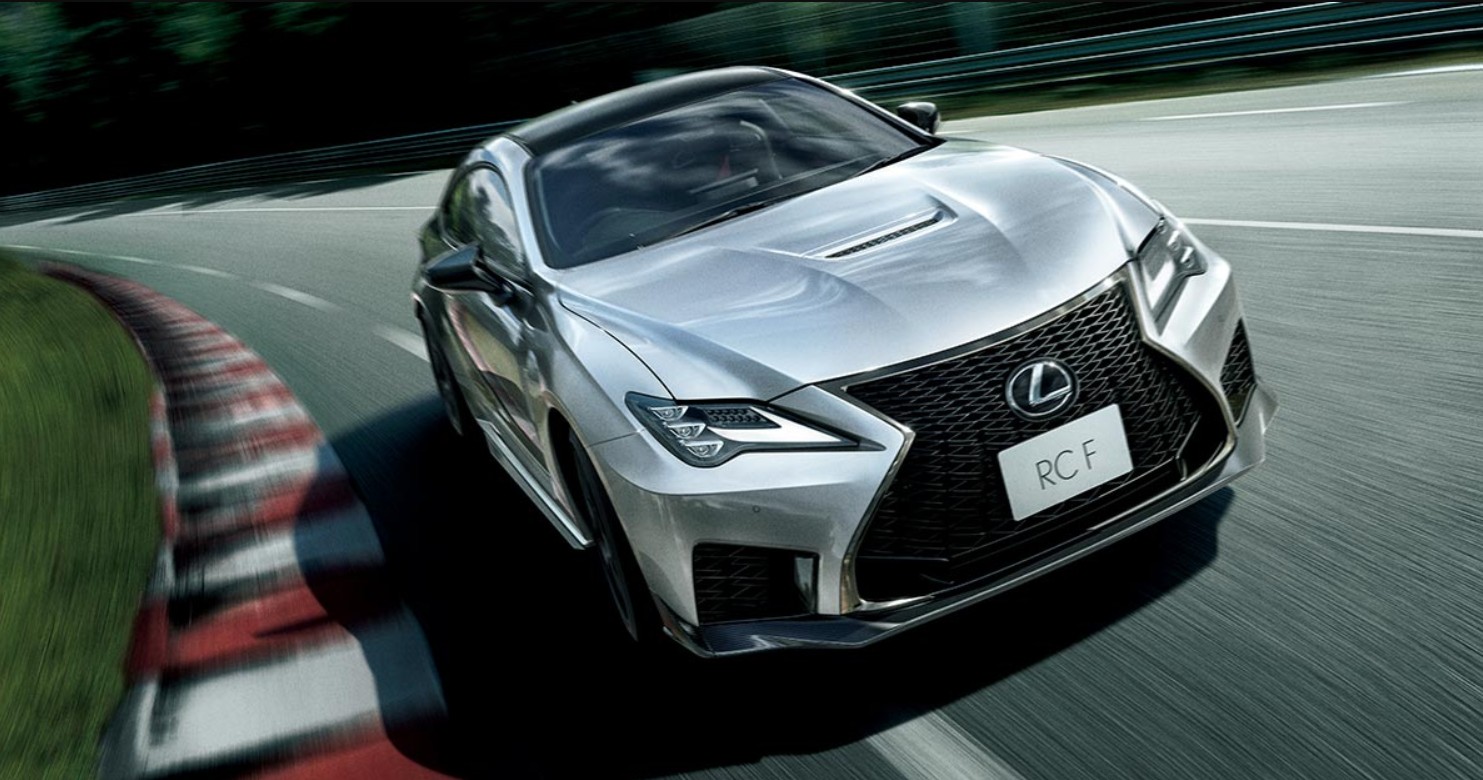
2028 Lexus RC F Final Edition Review, Specs, Dimensions – The 2028 Lexus RC F Final Edition is a keyword that immediately attracts attention because it combines three powerful ideas in the performance-car world: Lexus, the naturally aspirated RC F, and the words “Final Edition.” There is, however, an important distinction between the name being searched for and the vehicle Lexus actually produced. Lexus officially ended RC and RC F production after the 2025 model year, with the RC F Final Edition serving as the final factory version of the high-performance coupe. In Japan, Toyota confirmed that the RC F Final Edition was limited to 200 units, while Lexus USA described 2025 as the final model year for the RC and RC F.
That makes a genuine 2028 Lexus RC F Final Edition extremely unlikely as a new-production vehicle unless Lexus makes an unexpected decision to revive the name. There is currently no official announcement confirming a 2028 RC F Final Edition, and the original Final Edition was specifically created as a farewell to the RC F rather than as the beginning of another generation. For buyers and collectors searching for “2028 Lexus RC F Final Edition,” the more interesting question is therefore whether a future Lexus performance coupe could inherit the RC F’s philosophy while the original Final Edition becomes a sought-after modern classic. That distinction is critical because it prevents speculation from being presented as confirmed Lexus product information.
The original RC F formula remains compelling even several years after its production ended. It combined a naturally aspirated 5.0-liter V8, rear-wheel drive, an eight-speed Sport Direct-Shift automatic transmission, a Torsen limited-slip differential, adaptive suspension, large Brembo brakes, lightweight BBS wheels, Michelin Pilot Sport 4 S tires, and extensive carbon-fiber components. The Final Edition also received a specially assembled engine and precision-tuned rear differential intended to sharpen acceleration and deceleration responses. Lexus quoted 472 horsepower and a 4.2-second 0-to-60-mph time for the U.S.-market car.
For a hypothetical 2028 discussion, the strongest angle is not pretending that Lexus has already announced another RC F. Instead, the focus should be on what made the final car special, how its technology could influence a future Lexus performance coupe, what a modernized version would need to deliver, and why surviving RC F Final Edition examples could become increasingly valuable. Lexus has already moved toward a new era of electrified performance, including its LFA Concept, while continuing to showcase the RC F as part of its performance heritage. That creates an intriguing contrast between the old-school V8 formula and the technological direction likely to define Lexus performance cars later in the decade. 2028 Lexus RC F Final Edition Review
2028 Lexus RC F Final Edition Redesign and Update Plan
Exterior & Interior
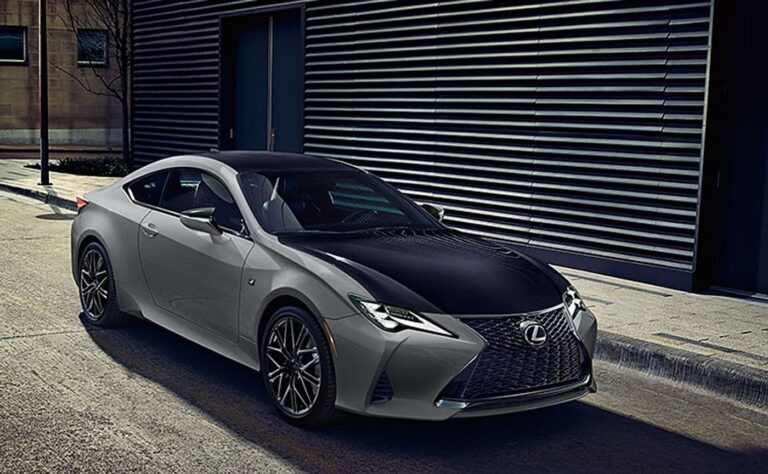
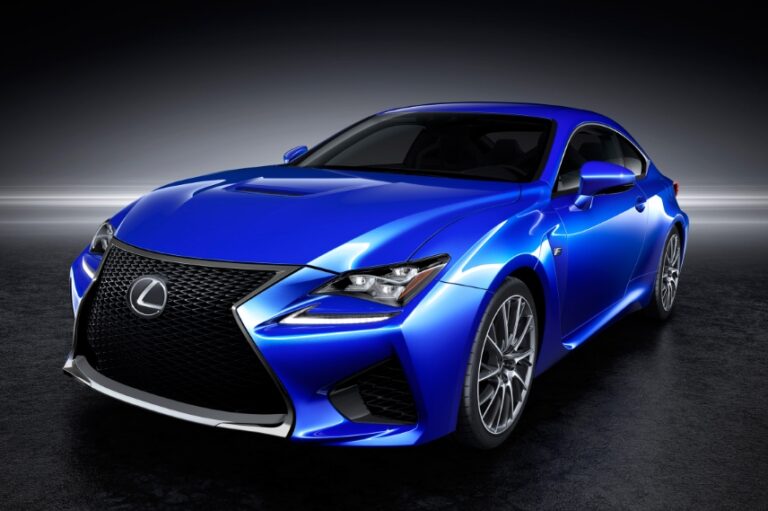
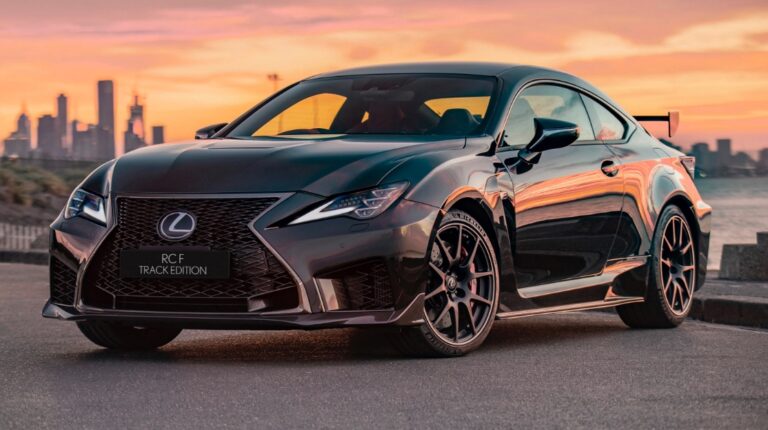
The original RC F Final Edition already represented one of the most complete versions of Lexus’s V8 coupe. Its exterior included a carbon-fiber roof, carbon-fiber front spoiler, rocker-panel components and rear diffuser, along with lightweight 19-inch BBS forged wheels. Red brake calipers, black folding mirrors, triple-beam LED headlamps and an active rear wing completed the package. Lexus offered the U.S.-market Final Edition in Incognito, Infrared, Iridium and Ultra White. These elements were not merely decorative because the carbon components and lightweight wheels contributed to the car’s performance-oriented specification.
The proportions also helped the RC F maintain a distinctive presence compared with newer luxury performance cars. Instead of relying entirely on a huge central display or aggressive digital graphics, its identity came from the physical shape of the coupe, the low stance, the wide bodywork and the visible hardware behind the wheels. The active rear wing was particularly appropriate because it combined visual drama with aerodynamic function. A theoretical 2028 interpretation would probably retain that philosophy while using cleaner aerodynamic surfaces, more sophisticated airflow management and possibly active cooling shutters. Designers could also integrate cameras and sensors into the bodywork without allowing them to dominate the front fascia.
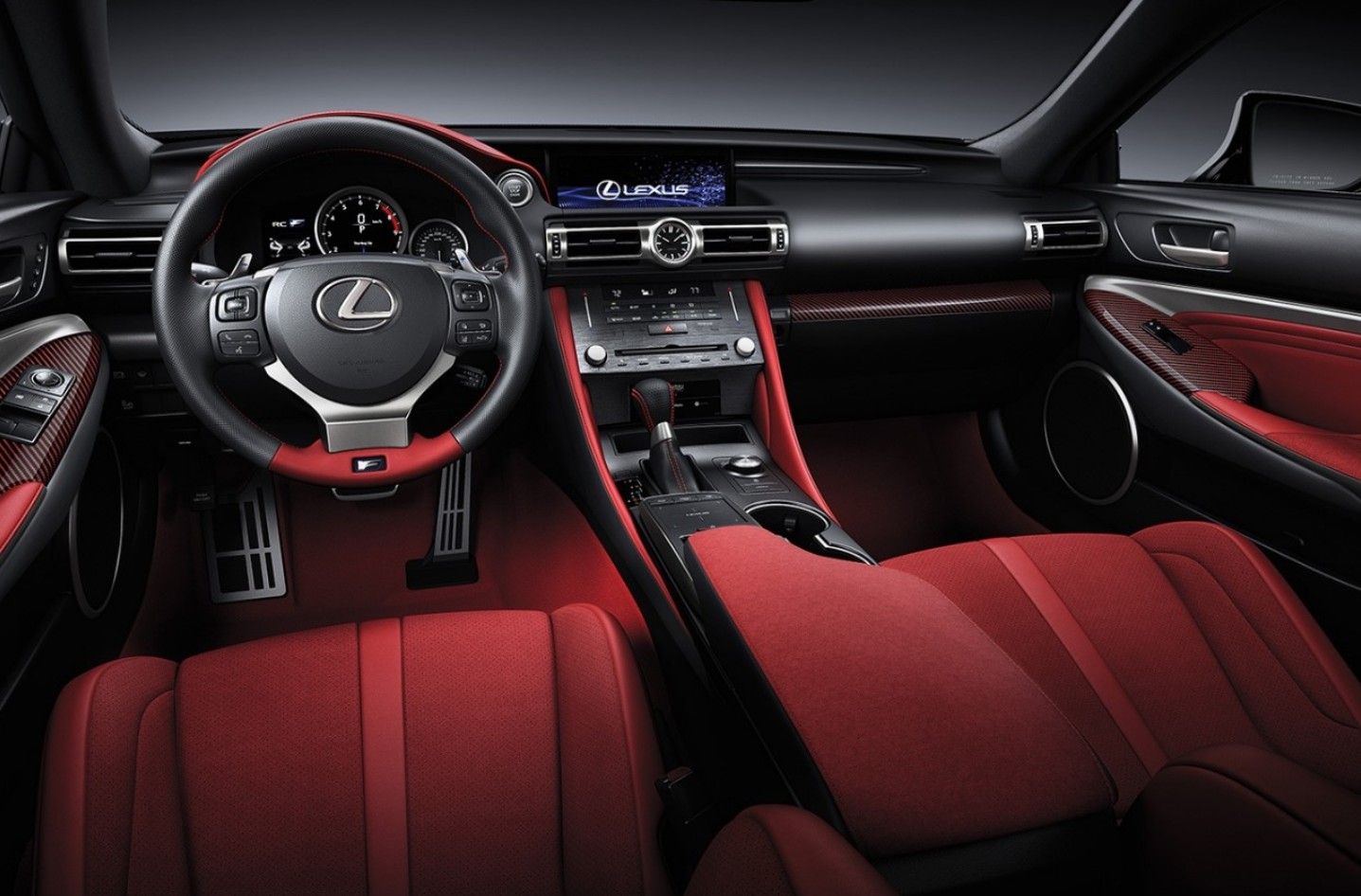
Inside, the Final Edition took a more traditional approach to luxury performance. The cabin used black and red leather and Ultrasuede trim, high-back sport seats, carbon-fiber detailing and a dedicated Final Edition emblem identifying the production number. A 10.3-inch touchscreen and Mark Levinson premium audio system were included in the U.S. specification, while the performance instrumentation provided information such as G-force and launch-control status. Lexus deliberately gave the cabin a physical, driver-oriented character rather than turning the entire dashboard into a digital entertainment panel.
A hypothetical 2028 successor would almost certainly bring the cabin into a different technological era. A larger central display, configurable digital instrumentation, wireless smartphone integration, advanced navigation, connected services and over-the-air software updates would be expected. Yet excessive screen dependence could undermine the personality of a dedicated performance coupe. The best approach would be to retain physical controls for critical functions, use premium materials rather than excessive gloss-black surfaces, and make the driver’s seating position the central focus. A future limited-production Lexus performance coupe could also offer individually numbered plaques, unique stitching, carbon-fiber trim and bespoke color combinations, allowing collectors to distinguish a special edition from an ordinary performance model.
If Lexus were to revisit the RC F concept around 2028, a conventional facelift would make little sense because the original RC architecture has already reached the end of its production life. A genuine successor would need a substantially different platform, contemporary crash architecture, modern infotainment, updated driver assistance, and a powertrain capable of meeting increasingly strict emissions regulations. The likely design philosophy would therefore borrow from the RC F rather than simply reproduce it. A lower roofline, broad rear haunches, a long hood, muscular front proportions and carefully managed aerodynamic surfaces could preserve the visual identity without making the new car look like an aging RC with different headlights.
The biggest change would probably be the relationship between combustion power and electrification. Lexus is clearly expanding electrified technology throughout its portfolio, while the LFA Concept demonstrates that the brand is exploring advanced battery-electric performance as part of its future sports-car strategy. At the same time, the existence of high-output Lexus hybrid systems proves that electrification does not necessarily mean abandoning performance. A hypothetical 2028 successor inspired by the RC F could therefore use a hybridized performance powertrain rather than the original naturally aspirated V8. Such a setup could deliver stronger low-speed torque while maintaining a dramatic high-rpm character through sophisticated software and drivetrain calibration.
There is also a possibility that Lexus could choose a more dramatic route and position a future coupe above the old RC F rather than directly replacing it. The company is already developing performance technology around the LFA Concept and related Toyota Gazoo Racing sports-car projects. This suggests that the next Lexus performance flagship may occupy a different price and performance category from the RC F. Consequently, a theoretical 2028 model carrying the RC F spirit could be lighter, more technologically advanced and more exclusive, but it would not necessarily retain the RC F name. The transition would mirror what happened when several traditional performance models evolved into entirely different products rather than receiving straightforward replacements.
From a chassis perspective, the most desirable elements of the old RC F would still deserve attention. Rear-wheel drive, strong steering response, adaptive damping, a mechanical or electronically controlled limited-slip differential, high-performance brakes and a balanced suspension would remain important. Weight reduction would become even more significant because modern safety and electrification hardware can add considerable mass. Carbon-fiber roof panels, aluminum suspension components, lightweight forged wheels and strategically placed structural materials could help compensate. The objective would not simply be higher horsepower; it would be a car that responds naturally to throttle, steering and braking inputs in a way that preserves the character enthusiasts associated with the RC F. 2028 Lexus RC F Final Edition Review
2028 Lexus RC F Final Edition Specs
Engine & Performance
The heart of the RC F Final Edition was its naturally aspirated 5.0-liter V8. In U.S. specification, the 2UR-GSE engine produced 472 horsepower and 395 lb-ft of torque. Unlike a turbocharged engine that builds substantial torque early in the rev range, the naturally aspirated V8 delivered its character progressively, rewarding drivers who allowed the engine to climb toward its upper operating range. Lexus paired it with an eight-speed Sport Direct-Shift automatic transmission featuring paddle shifters and downshift rev matching. Rear-wheel drive remained standard, reinforcing the traditional performance-coupe layout.
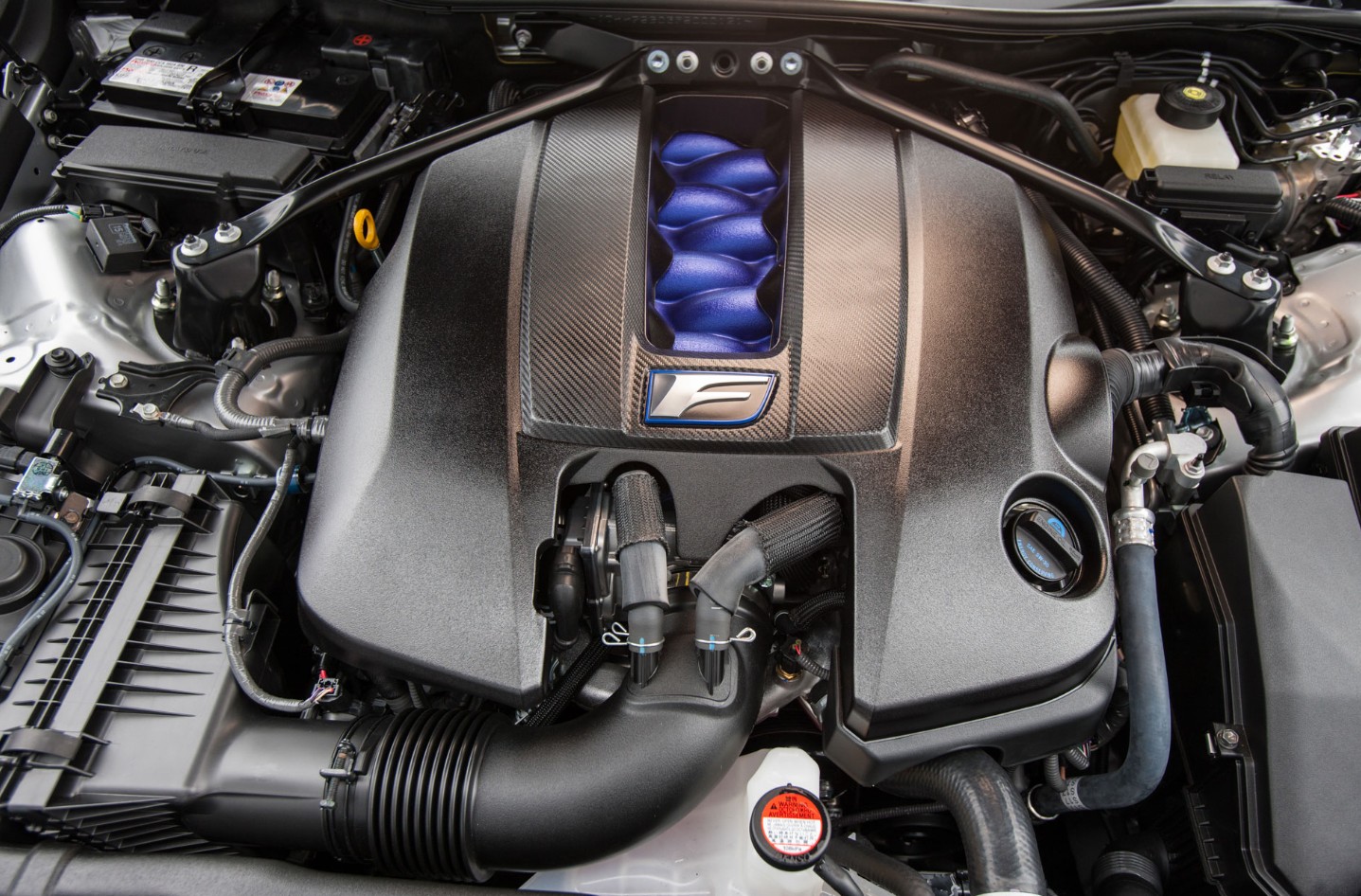
The Final Edition also received mechanical attention beyond cosmetic changes. Lexus stated that the engine was specially assembled, while technicians adjusted the rear differential’s backlash to improve acceleration and deceleration responses. The car used F-tuned Adaptive Variable Suspension, a Torsen limited-slip differential and Launch Control. Lexus estimated 0–60 mph in 4.2 seconds and listed a 168-mph top track speed for the U.S. car. Six-piston front and four-piston rear Brembo calipers supplied the braking hardware, giving the V8 coupe the stopping capacity expected from a serious track-capable road car.
2028 Lexus RC F Final Edition Fuel Economy
Fuel economy was never the main reason to buy an RC F, and the official figures make that clear. The 2025 Lexus brochure lists EPA-estimated fuel economy at 16 mpg city, 24 mpg highway and 19 mpg combined for the RC F Final Edition. Premium gasoline is appropriate for this high-output naturally aspirated V8. Those numbers place the car firmly in the traditional high-performance category, where engine response, sound and mechanical character take priority over fuel savings. A future electrified successor could dramatically improve low-speed efficiency and reduce fuel consumption during ordinary driving, but matching the emotional character of a naturally aspirated V8 would remain a much harder engineering challenge.
2028 Lexus RC F Final Edition Safety Features
Safety technology was more modern than the car’s analog performance personality might suggest. The 2025 RC F came with Lexus Safety System+ 2.5, including a Pre-Collision System with Pedestrian Detection and Automatic High Beams, while the broader suite added driver-assistance functions designed to improve awareness and collision avoidance. A future 2028 Lexus performance coupe would be expected to move considerably further, potentially incorporating newer-generation collision detection, lane assistance, adaptive cruise control, enhanced blind-spot monitoring, improved parking assistance and a more sophisticated camera-based driver-monitoring system. The important balance would be allowing those systems to operate unobtrusively when the driver wants to enjoy the car’s mechanical capabilities.
2028 Lexus RC F Final Edition Release Date & Price
The most realistic way to understand the “2028 Lexus RC F Final Edition” is as a future collector-market topic rather than an officially announced new vehicle. By 2028, the 2025 Final Edition will already belong to a completed chapter of Lexus performance history. Its combination of a 5.0-liter naturally aspirated V8, rear-wheel drive, limited production, numbered identification, carbon-fiber components and dedicated chassis tuning gives it qualities that are increasingly difficult to reproduce in the modern luxury-performance market. The Final Edition was not merely a cosmetic farewell; it represented the final factory expression of the RC F formula. That distinction could become increasingly important as electrification reshapes the performance-car market.
One of the clearest facts surrounding the Final Edition is that the original 2025 RC F was not offered as a conventional range of multiple trims in its final year. Lexus USA described it as a mono-spec Final Edition, meaning buyers were not choosing between base, Premium and Track variants. Instead, the Final Edition consolidated much of the model’s desirable performance hardware into one highly specified configuration. Japan’s official Toyota announcement confirmed a 200-unit limited run, while the U.S. allocation formed part of the North American production program.
The original Japanese price was ¥13.6 million, while U.S. pricing information placed the 2025 RC F Final Edition at roughly $94,000 before destination and other transaction costs. The exact amount can vary by market because Lexus pricing, taxes, delivery charges and equipment specifications differ internationally. More important for a 2028 buyer, the original MSRP is no longer the only relevant number. A genuinely low-mileage Final Edition with its numbered plaque, original documentation, correct factory equipment and desirable color combination could command a used-market premium depending on condition and collector demand.
For the 2028 model year, there is currently no official RC F Final Edition trim, price or release date to report. Lexus officially ended RC and RC F production in 2025, and the company has not announced a new 2028 RC F. Any online claim presenting a specific 2028 horsepower figure, battery size, price or launch date as confirmed should therefore be treated carefully. A speculative successor could theoretically arrive under a different name, particularly as Lexus develops new sports-car technology and explores electrified performance, but that would not make it a confirmed RC F Final Edition. 2028 Lexus RC F Final Edition Review
Conclusion
The 2028 Lexus RC F Final Edition may never become a new Lexus production model, and that is precisely why the keyword carries so much intrigue. Lexus has already closed the RC F production chapter, with the 2025 Final Edition serving as the official farewell. Its 472-horsepower naturally aspirated V8, rear-wheel-drive layout, specially assembled engine, precision-tuned rear differential, adaptive suspension, BBS forged wheels, Brembo brakes and carbon-fiber body components represent a combination that is becoming increasingly rare.
The more interesting story for 2028 may therefore be the value and reputation of the cars that already exist. Limited-production performance cars often become more interesting as their original alternatives disappear, particularly when they represent the end of a specific engineering philosophy. The RC F Final Edition fits that description unusually well because it closed the book on both the RC F and the broader RC coupe line. Lexus produced the Final Edition specifically to mark that ending rather than to prepare buyers for another conventional generation.
At the same time, the future of Lexus performance is far from finished. The LFA Concept shows that Lexus is investigating an electrified sports-car direction, while the brand continues to emphasize performance engineering and motorsport-derived technology. A future Lexus coupe could therefore be dramatically faster, more efficient and more technologically advanced than the RC F while feeling completely different behind the wheel. The important question will not simply be whether a successor produces more horsepower, but whether it can deliver the same sense of mechanical occasion that made the RC F unusual.
For enthusiasts looking toward 2028, the original RC F Final Edition may ultimately represent the intersection between modern Lexus luxury and old-school performance engineering. It was not the fastest exotic coupe on the road, nor was it designed to chase every technology trend. Instead, it preserved a naturally aspirated V8, rear-wheel drive and a tactile chassis at a time when those ingredients were becoming increasingly uncommon. If Lexus never revives the RC F name, the Final Edition could become even more meaningful—not because it was replaced by a 2028 model, but because it was the last one.